Don’t know how I missed this one in the Top 10 list but it is an important thing to minimize, idling and warm-ups.
Idling Wastes Gas
Idling wastes gas and does nothing for your car, you are going no where but sucking down gasoline. Don’t let your car idle for extended periods of time, it is a waste of gas. New cars are now programmed to turn off at stop signs and stop lights and restart when you release the brake pedal. This is one way car makers get to higher vehicle mileage numbers. The first rental car I drove with this feature surprised me when the car died at a stop light. Car rental companies should inform you about this feature when you rent a car.
Car Warm-Up Myth
I’m surrounded by the “I have to warm up my SUV and large truck” crowd, my neighbors. I’m unpleasantly woken up every morning by my neighbor warming up his SUV at 4:45 AM. He lets it run for at least 15 minutes and sometimes for a half hour on cold mornings, less than 10 feet from my bedroom window. The glass pack exhaust makes a rumbling sound that even with the sound-proof windows I just had installed still wakes me up. Just after 6:30 AM my neighbors across the street start up their F-250 and Suburban and let them warm up for 15 – 20 minutes before rushing off to work. A couple blocks away, on my morning walk, I pass by a Prius sitting at the curb in front of a house warming up every morning. The driver is nowhere to be seen and is probably sitting in his warm house finishing a second cup of coffee waiting for the heater to warm the car up so he can drive to work in comfort. California isn’t that cold!
When asked why they warm up their cars most folks will tell you that it will run better and last longer if it is warm. But the reality is probably that they want a warm car to sit in on a cold morning for their two-mile drive into work (the average distance most commuters drive is 2 miles to and from work). On start-up an engine only needs to get the oil pressure up to ensure lubrication, at that point it can be driven and that only takes a few seconds, unless there is something wrong with the engine. It takes 15 to 20 minutes of driving to get a vehicle warm, which is often the length of time of a commute in a small town.
An engine doesn’t need to get hot to run properly and the only way to warm up a vehicle is to drive it because you have to warm up the transmission, rear end, drive train, wheel bearings, and tires. All these components need to move to warm up and that only happens while the car is driven. Guess what? The efficiency of the vehicle will increase as the whole vehicle warms up and that can only happen when it is driven.
What about Diesel engines? They operate on heat and are supposed to warmed up before you drive them. Yes, this was true 30 years ago. In the good old days Diesel engines needed to be warmed up or else they knocked like heck and had little power. Today’s Diesel engines are much more sophisticated and computer controlled to operate without running the engine for a half hour before driving it to warm it up. They also don’t need to sit idling. Once the oil pressure is established drive the vehicle!
Cold Climates
If you live in a cold climate you need to pay attention to your vehicle when it is cold, as you well know. Gasoline and diesel fuel will get thick (jellify) below certain temperatures so fuel additives are necessary. Low viscosity oil is also necessary to get the oil moving in a really cold engine. If you run only water as the coolant in your engine the water can freeze and damage your engine, that is why antifreeze is necessary. Most people in really cold climates utilize block heaters to keep their engines warm so that they will start and run easier. Some people even store their vehicles in heated garages. But warming them up for extended periods of time only serves to heat the interior of the vehicle.
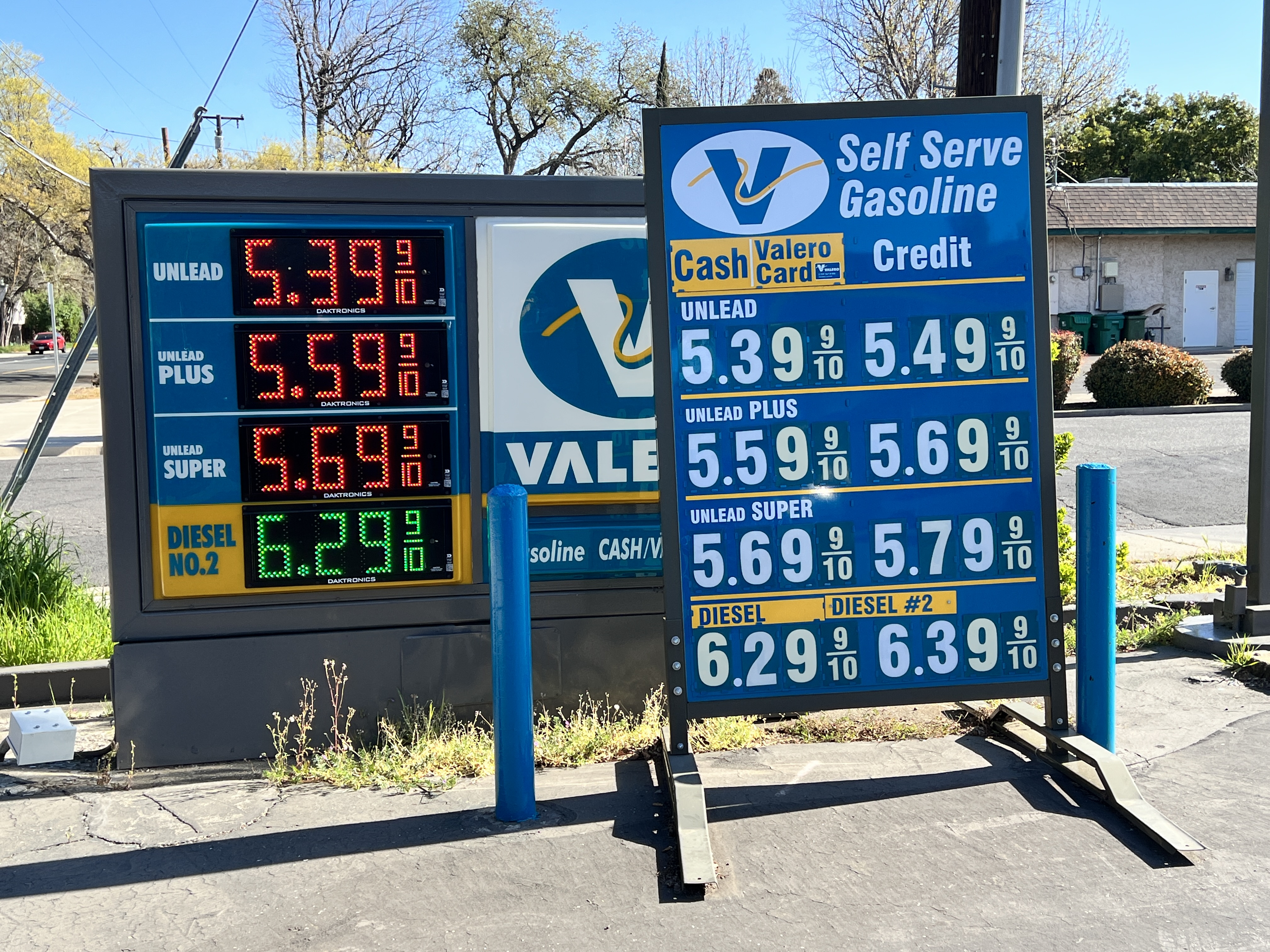
 EEECo Chico